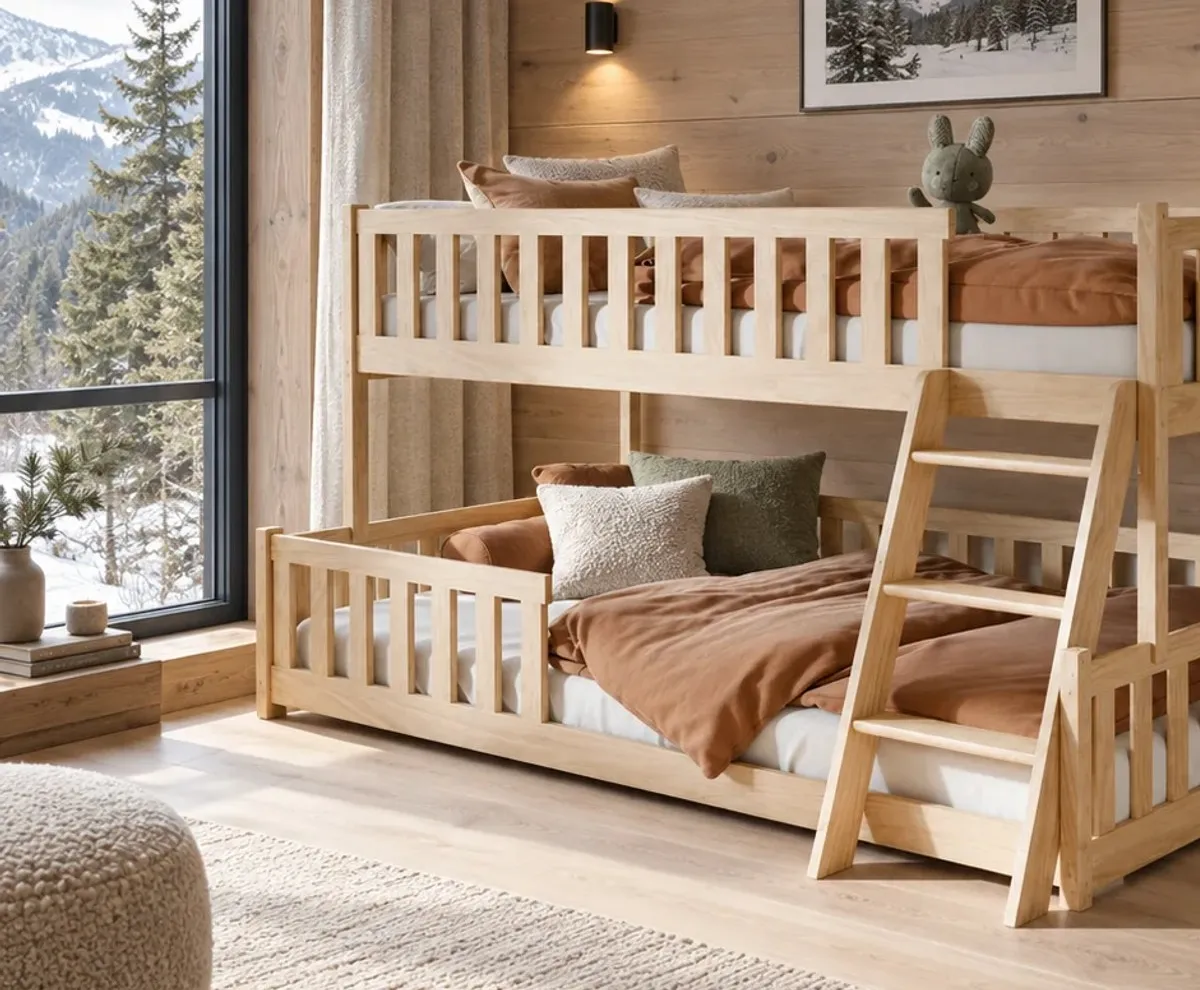
I went to my agency network looking for trial clients — stores I could run real experiments on while I was building the offer out. That’s how I got referred to Drømmerom.
They were in a good position to be pushed. Ad spend was going up, the monthly session count was real. What wasn’t moving was the conversion rate, and that was a genuine business constraint rather than a vanity metric: at the rate they were converting, every extra krone into ads came back thinner than it should have, which caps how much you can afford to spend and therefore how fast you can grow. We agreed I’d run experiments on the store and go at that ceiling.
The brief was simple. Then I opened the theme.
The brief was simple and specific: run A/B tests.
Then I opened the theme.
The store was built on a heavily custom-configured theme, stuffed with hard-coded settings left behind by a previous low-end agency.
That’s not a cosmetic complaint. Hard-coded settings mean you can’t cleanly isolate a variable. Every test I could have run would have been contaminated by something I couldn’t control and couldn’t see from the admin. Clean experiments were virtually impossible.
So the one thing I’d come to do was the one thing the site couldn’t support.
Testing on that foundation would have been a waste of everyone’s time
You can’t test your way out of a store like that. Any result I produced would have been a number I couldn’t defend, and I’d rather hand over nothing than hand over that.
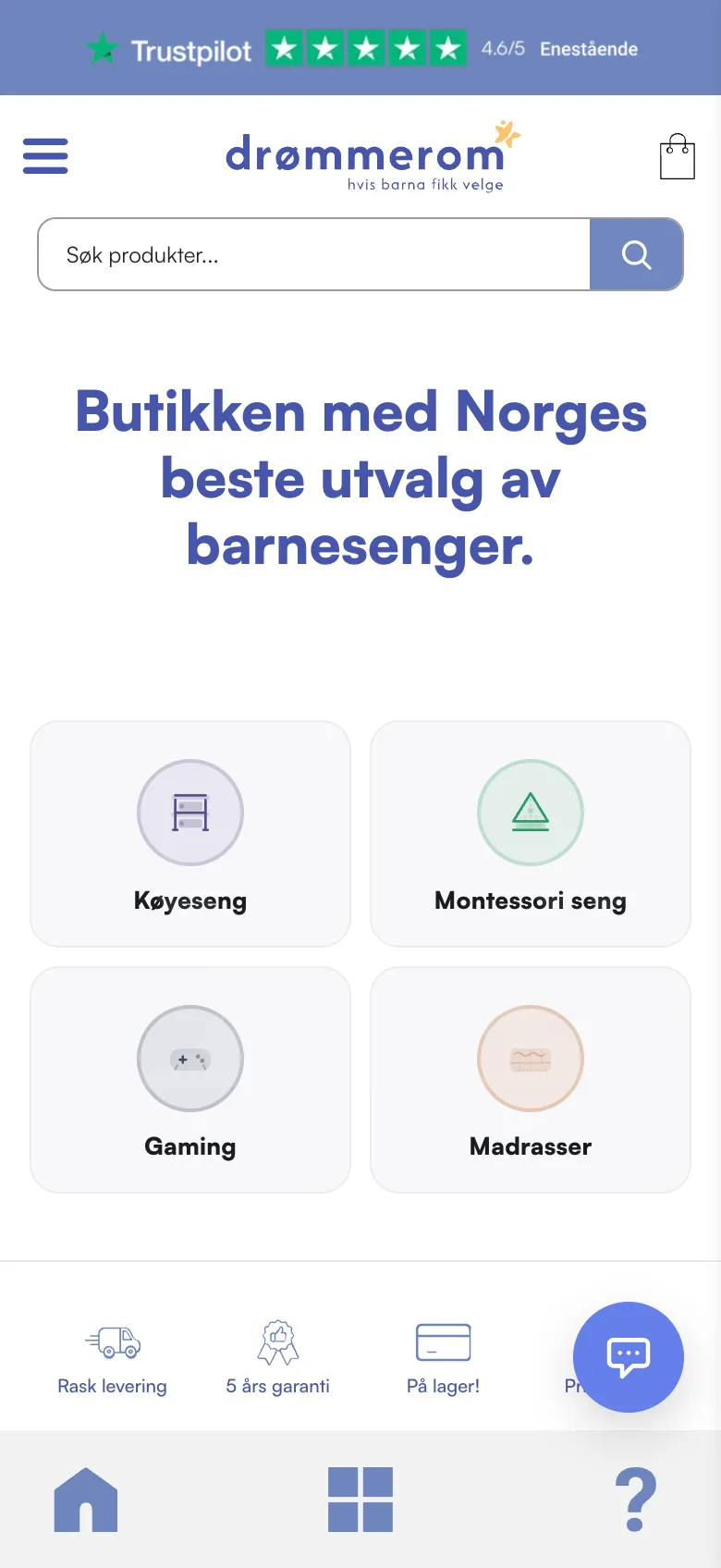
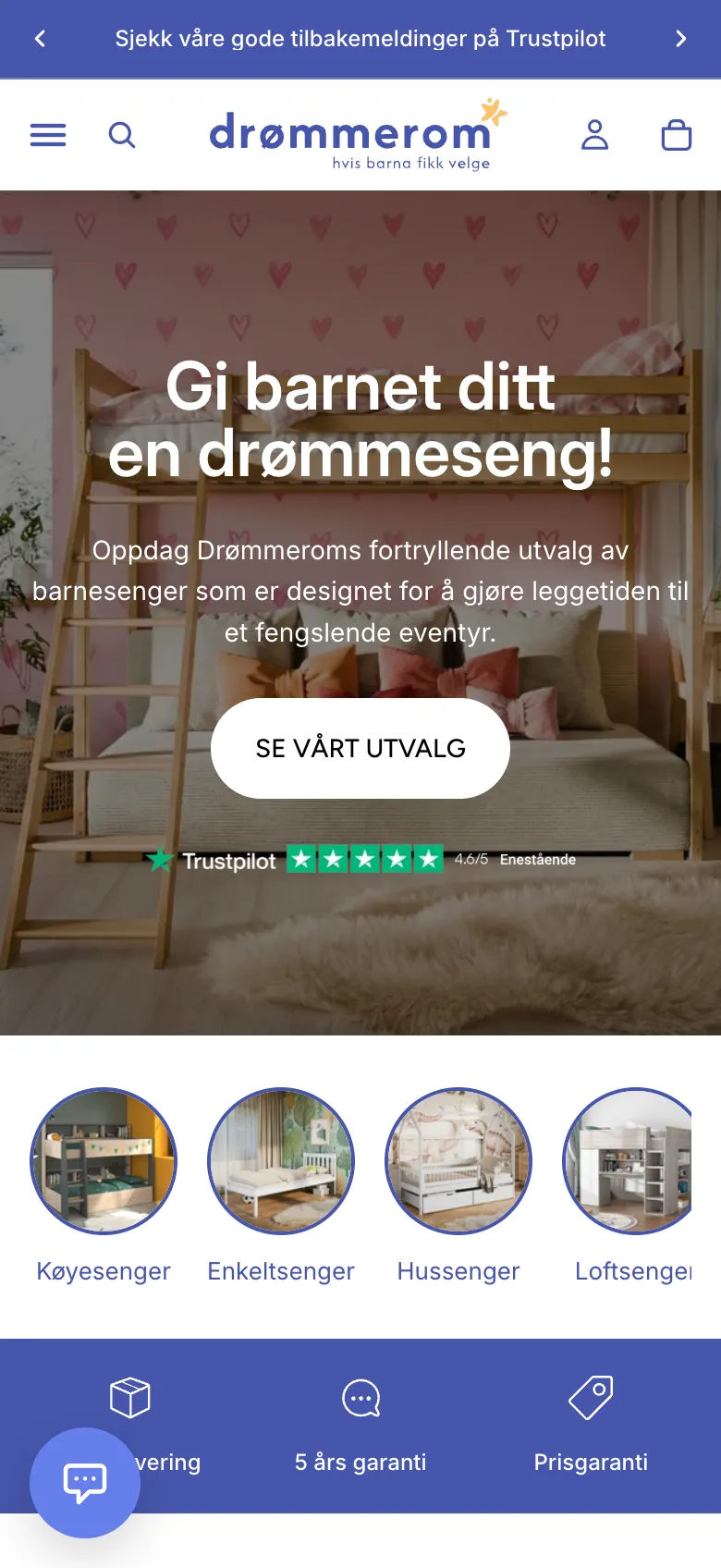
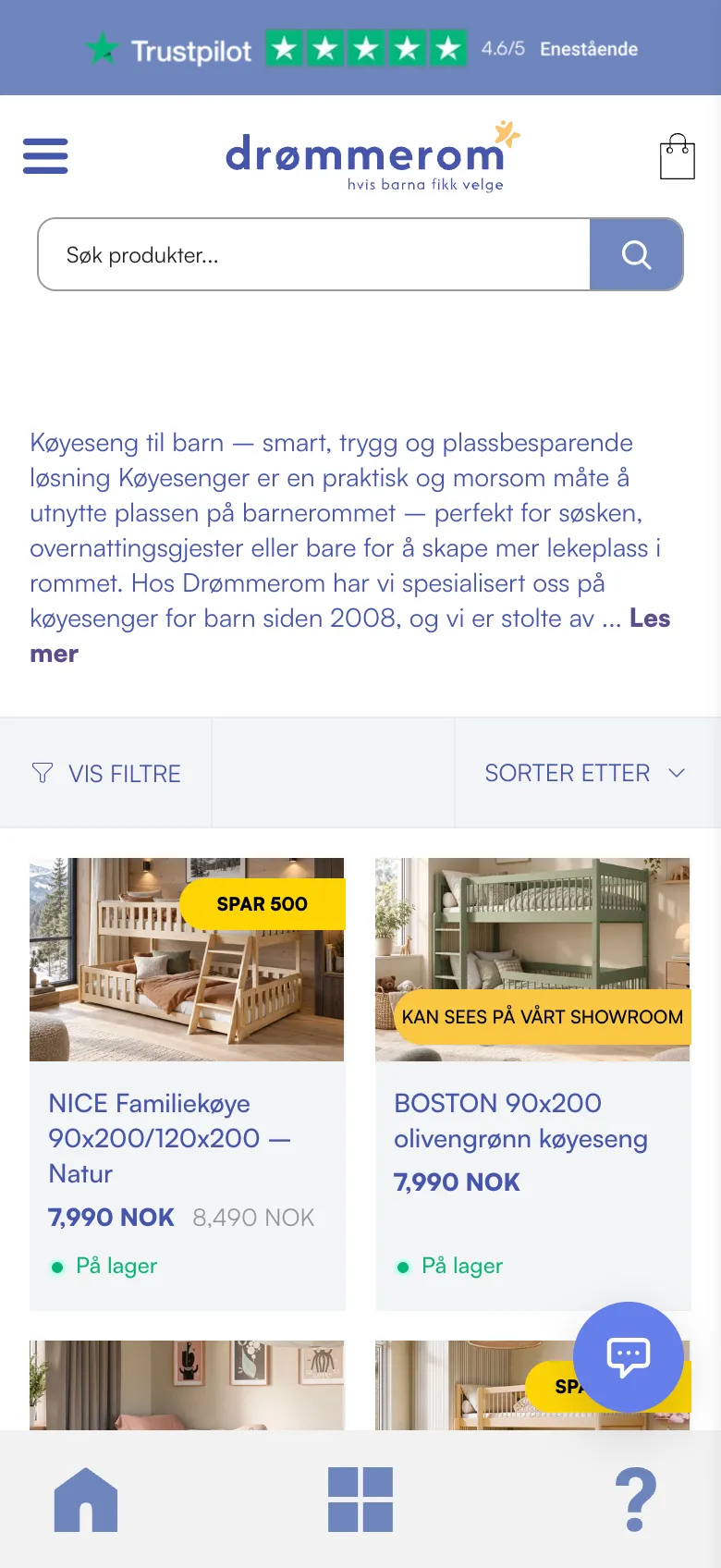
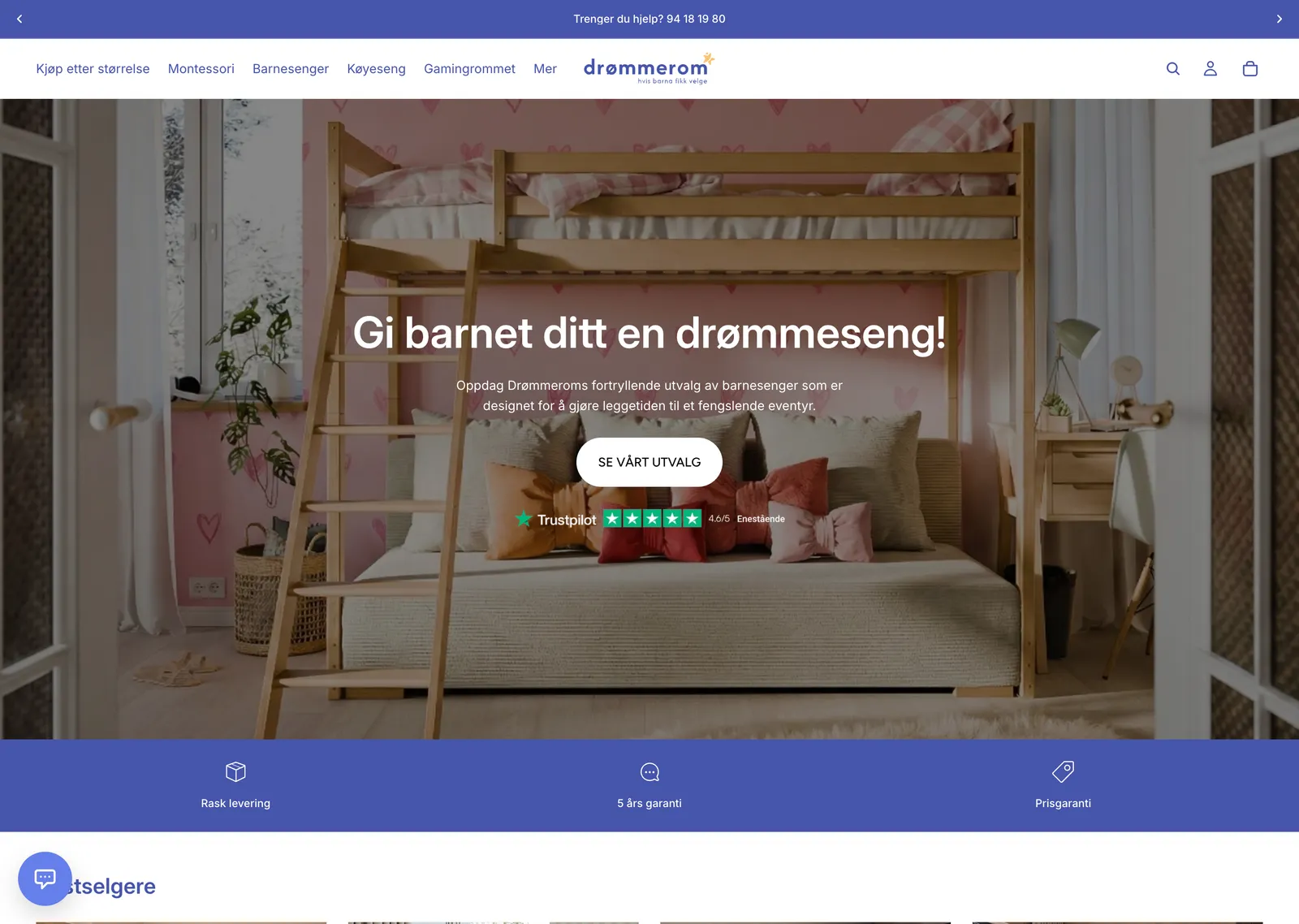
So I made a different call: rebuild the store on Shopify’s Horizon theme first — modern, supported, future-proof, and then run the entire new theme as one A/B test against the old one.
The rebuild was worth doing on its own terms, whatever the test said. Nothing on the new store is hard-coded, which means Drømmerom can go into the Shopify editor and change things themselves — long after we’ve stopped working together, and without paying someone to touch code every time they want to move a section. Nothing silently breaks when the theme updates. It’s a store they can keep building on rather than one they have to keep patching.
It took a while. A lot of rounds of feedback, and I’d rather spend the time getting it right than get it live early and test something half-finished. The whole store was rebuilt — homepage, collection pages, product pages, the lot. Very little was carried across.
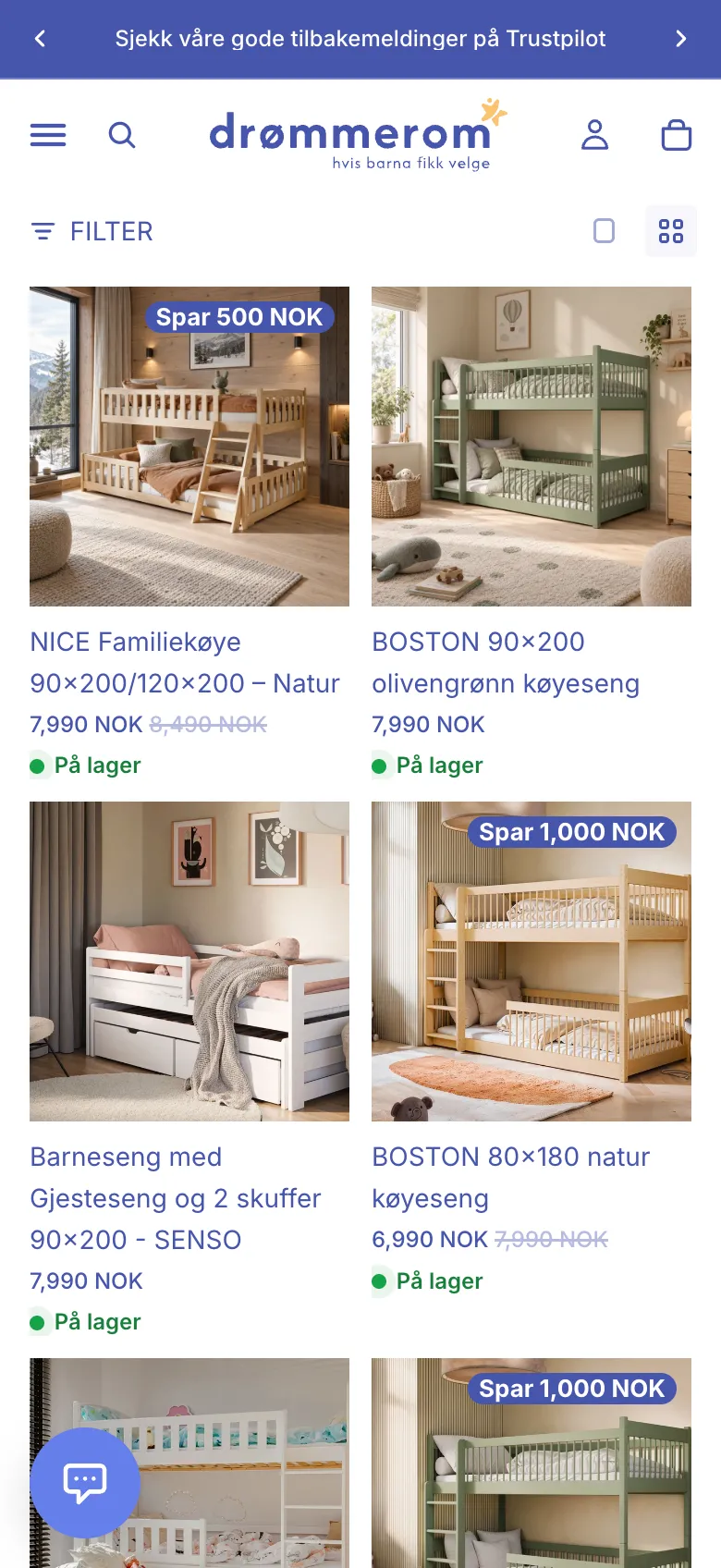
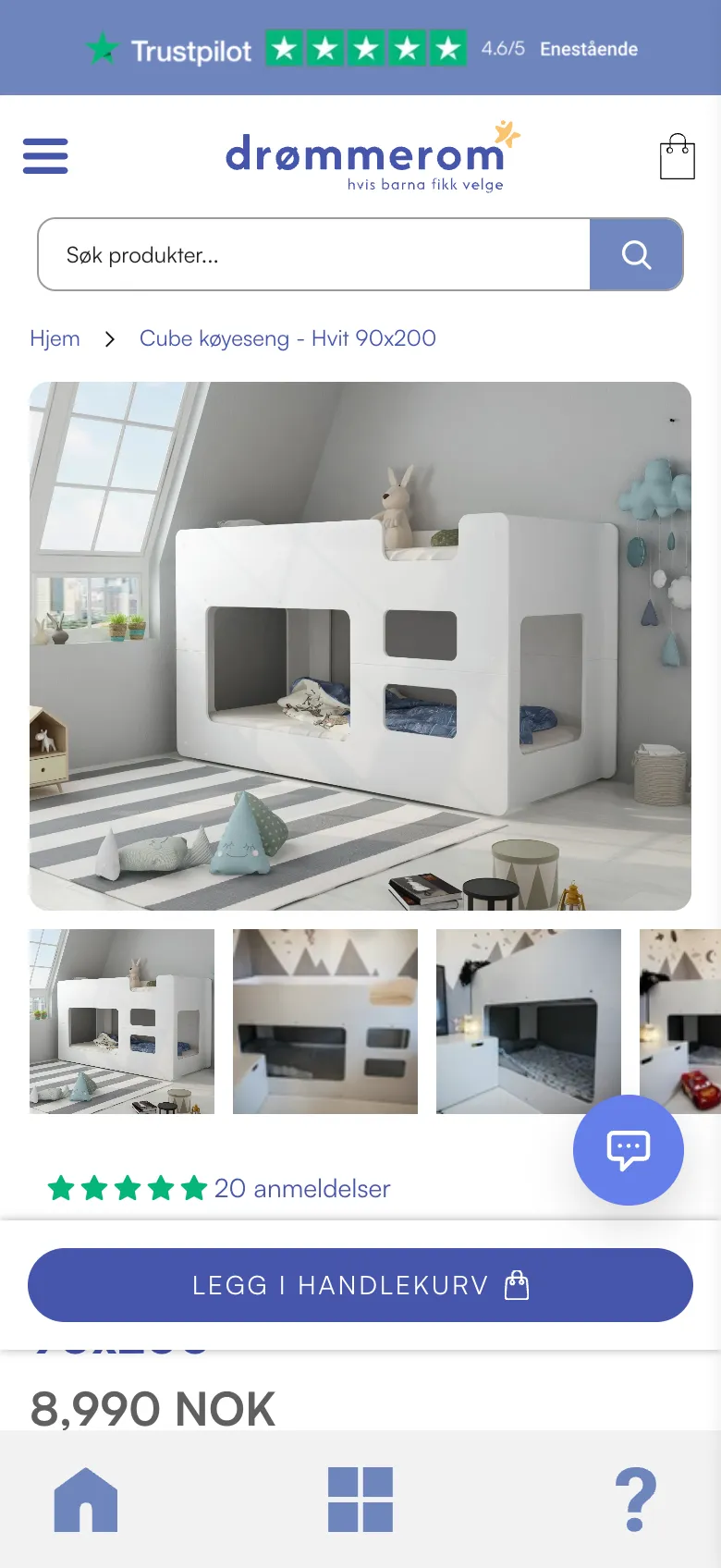
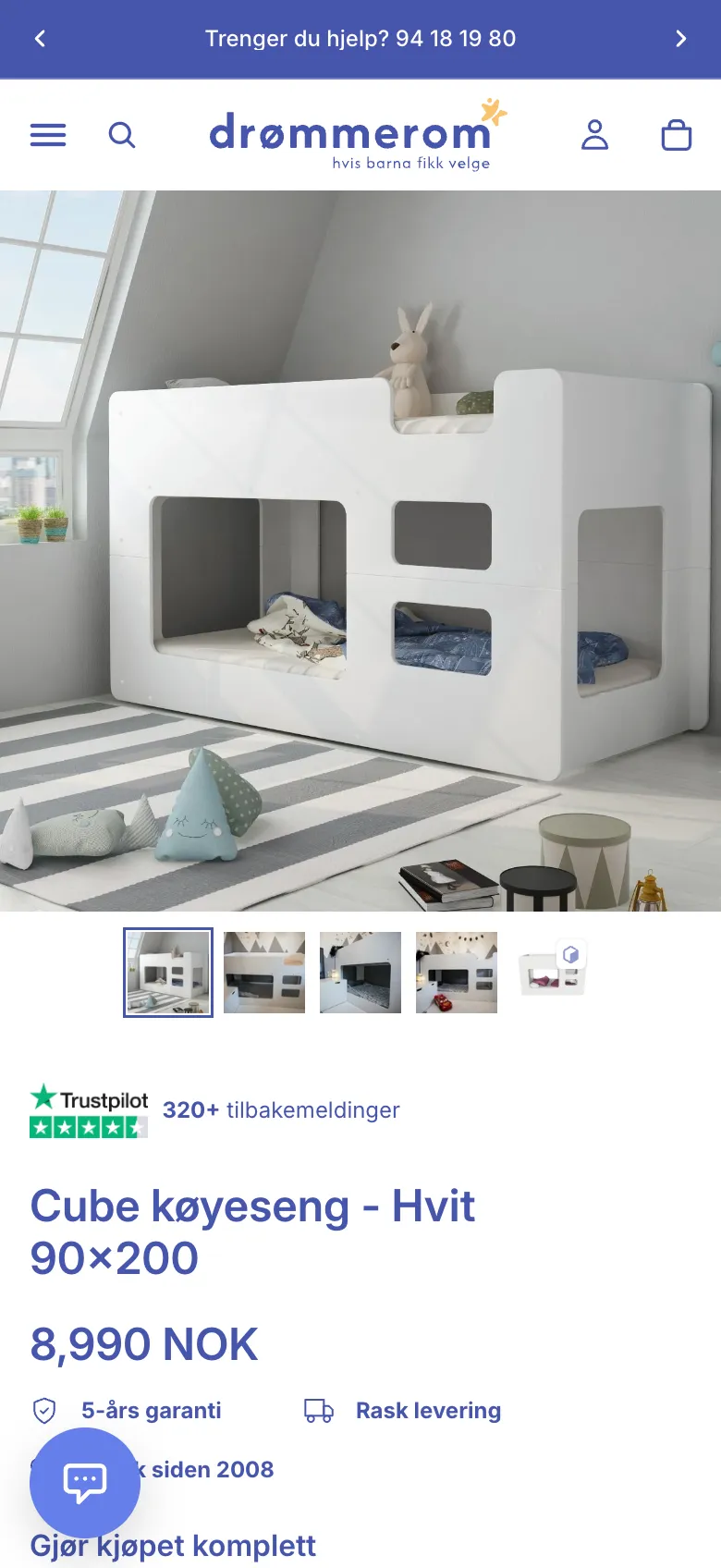
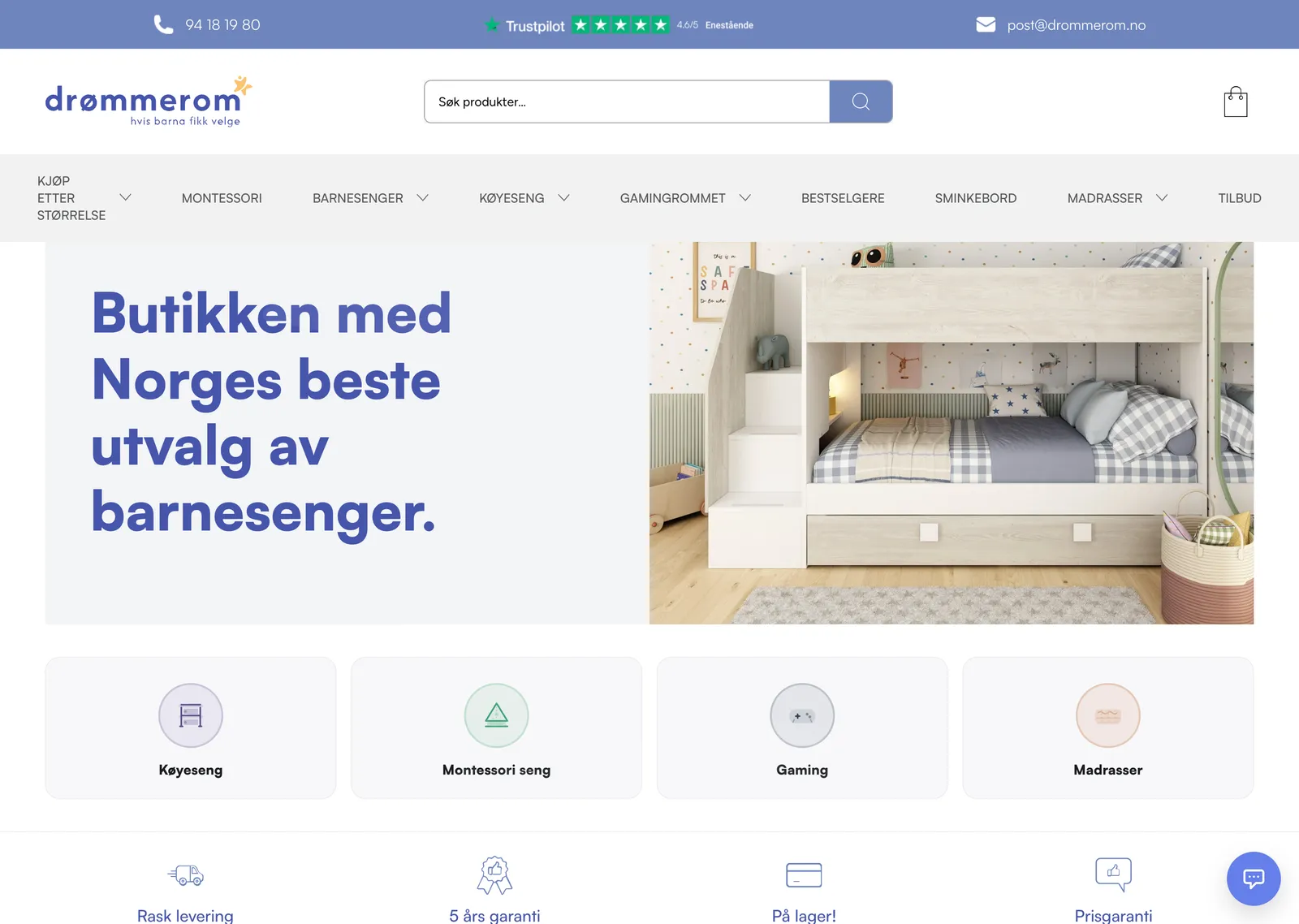
Read the flat result correctly
Tested. From May, the new theme ran head to head against the old one on live traffic for 34 days. Result: no measurable change in revenue per visitor, +1.4% conversion rate.
I’ll be honest about what I expected. I thought this would be a big win — big enough to show through even on a store this size. It wasn’t. But Drømmerom simply doesn’t do the volume you’d need for a test like this to detect anything but a very large swing, and that matters for how you read the result. “No measurable difference at this sample size” is not “no effect”. Anyone who converts that into a win, or into a failure, is reading a number the test never produced.
So we rolled it out immediately after the test ended.
Observed. Shopify conversion rate, indexed to January 2026. Absolute figures are the client’s, so only the index is shown.
| Month | CR index (Jan 2026 = 100) |
|---|---|
| Jan | 100 |
| Feb | 96 |
| Mar | 115 |
| Apr | 119 |
| May | 145 — half of traffic moved to the new theme |
| Jun | 164 — new theme live |
| Jul | 147 |
This is analytics after launch, not a controlled result. It cannot be attributed to the rebuild alone — the climb starts in March, well before the new theme was live, and seasonality, traffic mix and merchandising all sit inside these numbers.
Shipped untested. Nothing inside the rebuild was isolated. Every change went live as part of the single theme test, so no individual feature carries a result of its own.
We put the new store live the moment the test ended
The test closed and the new theme went permanent the same week. It’s been their primary theme since June, and they’ve kept building on it.
That’s the outcome that matters, and it isn’t a percentage. They saw the same flat result I did and chose the rebuilt store anyway, because a clean, modern theme is the platform every future experiment has to stand on — and because the store they have now is one they can actually run themselves.
The collaboration concluded after handover.